Safety Tips
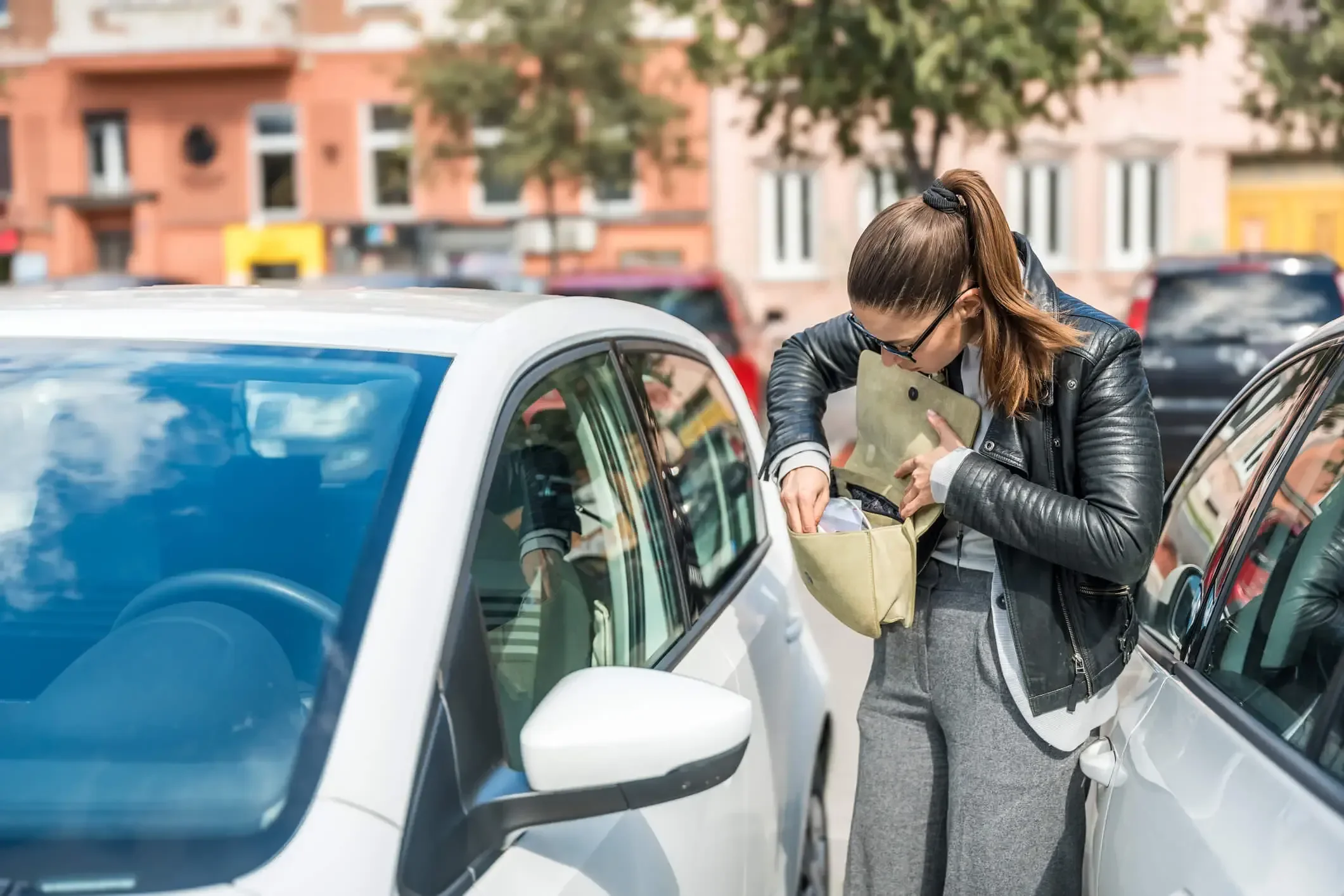
Personal safety begins with awareness. While no list of precautions can prevent every situation, being alert and prepared can help reduce risk and increase confidence when you are out in public.
Parking Lot Safety
Park as close to your destination as possible. Avoid isolated areas of parking lots and perimeter spaces with shrubs, pillars, or other areas where someone could hide.
Always lock your car doors, even if you are only stepping away briefly.
Never leave valuables in your car. Purses, phones, and packages can attract thieves.
Approach your car with awareness. As you walk toward your vehicle, visually scan underneath the car and around nearby vehicles.
If parked next to a van with a sliding door, consider entering your vehicle from the passenger side and sliding over to the driver’s seat.
Before getting inside your car, quickly check the interior. Look behind seats and avoid leaving blankets or coats that could conceal someone.
Avoid lingering in parking lots. Enter your vehicle promptly and lock the doors.
Personal Awareness
Trust your instincts. If something doesn’t feel right, remove yourself from the situation. Ask for help, seek an escort, or move to a safer area.
Walk confidently and with purpose. Even if you feel uncertain about your surroundings, appearing confident can discourage potential attackers.
Limit distractions. Avoid talking on your phone when loading or unloading your vehicle. Stay aware of your surroundings.
Make eye contact with people approaching you. This can deter someone who may fear being identified.
Vehicle Safety
Have your keys ready before you reach your car so you can unlock the door quickly.
Use keyless entry or a panic alarm if your vehicle has one.
Avoid sharing personal information on your vehicle. Bumper stickers or decals that reveal details about you or your children may attract unwanted attention.
Parents with young children should avoid changing diapers in parking lots, where standing outside with your car open may make you vulnerable.
Smart Safety Practices
Use location sharing when meeting someone new or traveling alone. Many smartphones allow you to share your location with trusted friends or family.
Verify rideshare drivers before entering a vehicle. Check the license plate, driver name, and vehicle description in the app before getting inside.
Keep your phone charged. A charged phone can help you call for help, navigate safely, or contact someone if needed.
Avoid posting your location publicly on social media in real time. Consider posting photos or updates after you have left the location.
Use safety features on your phone. Many smartphones have emergency SOS features that allow you to quickly contact emergency services or alert trusted contacts.
If You Feel Unsafe
Move toward well-lit, populated areas whenever possible.
Call someone you trust and stay on the phone until you reach a safe location.
Seek assistance from security personnel, employees, or nearby businesses.
If you believe you are in immediate danger, call 911 or local emergency services.
Always Stay Aware
Remember that appearances can be misleading. Stay aware of your surroundings—even in places that feel safe.
These tips are meant to increase awareness and preparedness—they are not meant to place responsibility on victims. Responsibility for sexual assault always lies with the perpetrator.
Self-defense training can provide practical skills that may help you protect yourself or create an opportunity to escape from a dangerous situation.